About Me
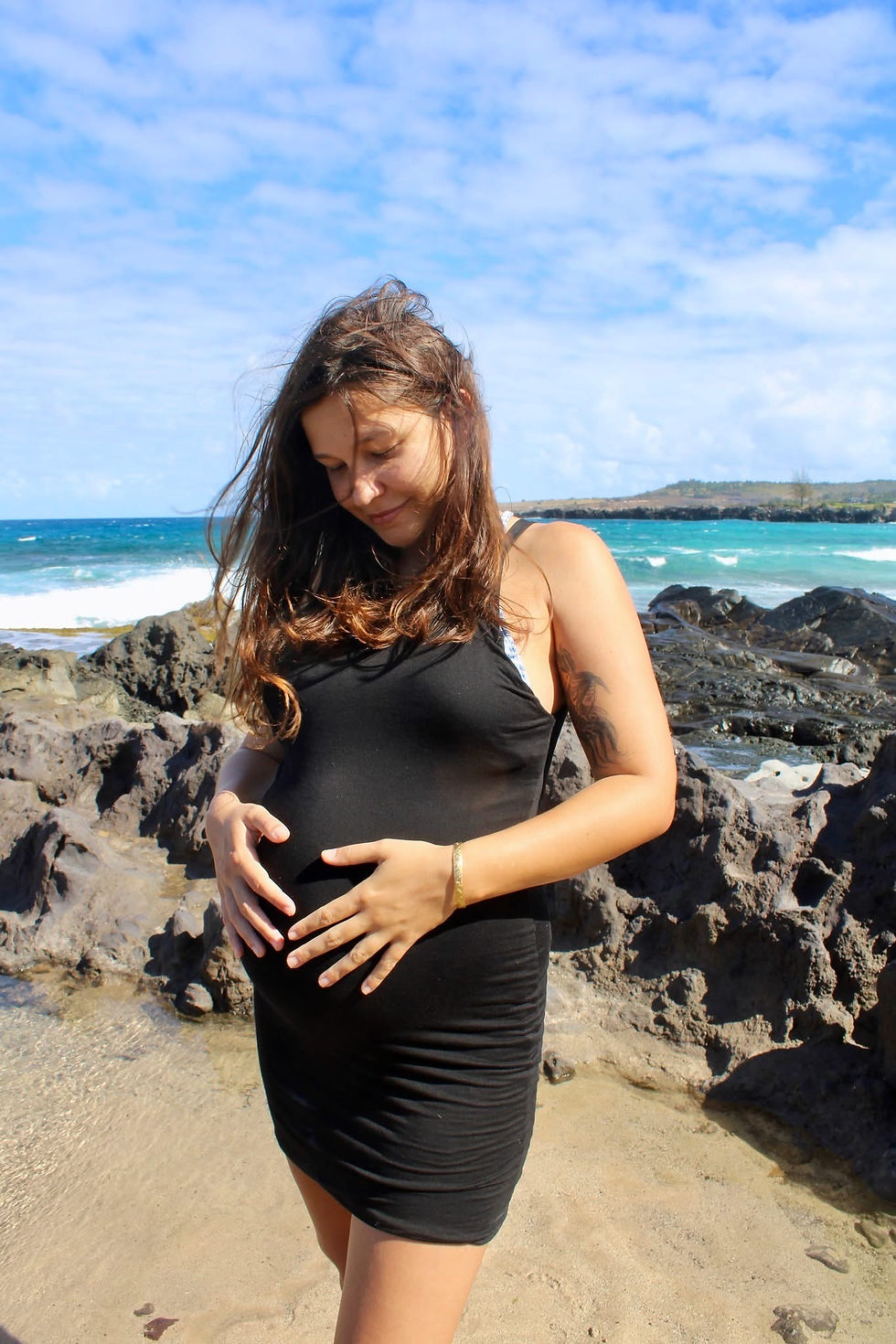
Meet Natali
I’m a personal trainer based on Kauai working primarily with women who want a thoughtful, individualized approach to strength and movement.
Originally from Maui, I later lived in New York City where I first discovered Pilates. That experience sparked a deeper curiosity about how the body moves and how strength can be developed in a way that supports long-term health and resilience.
Becoming a mother deepened that perspective even further, shaping how I think about recovery, strength, and the importance of building trust in the body.

Qualifications
NASM Certified Personal Trainer (CPT)
Merrithew Mat Pilates Training
Restore Your Core certified Movement Professional

Being in Your Body
One of the things that continues to shape how I approach training is the experience of actually being present in the body.
For many people, that isn’t easy.
Modern fitness culture often encourages us to rush through workouts, chase intensity, and disconnect from what our bodies are feeling in order to push harder or go faster. But when we slow down enough to pay attention — to breath, to stability, to how different parts of the body work together — something shifts.
Movement becomes less about escaping the body and more about inhabiting it.
Over time, many people begin to notice how good it feels to move with awareness and control — to feel strength develop in a way that supports the body rather than overriding it.
That sense of connection is a big part of what makes movement sustainable, empowering, and genuinely enjoyable.
My Story
For much of my life, movement was the place where my mind finally quieted down.
I have diagnosed ADHD, and physical movement was often the only place where things slowed enough for me to feel present. Naturally, I gravitated toward intensity — pushing hard and powering through workouts.
Over time, though, I began to notice how often people — myself included — learned to override what their bodies were telling them. Fitness culture often rewards that approach: rushing through exercises, pushing through discomfort, and disconnecting from what the body is actually doing.
When I became a mother, that realization deepened. Pregnancy and postpartum brought a new awareness of how much pressure women face to “bounce back” before their bodies have had time to fully heal and restore strength.
It reinforced my belief that strength training should support healing, function, and long-term resilience — not push women to fight against their bodies.